
Resilience by Design: Stress‑Smart Spaces

Step into Resilience by Design: Stress‑Smart Spaces, where architecture, interiors, and daily routines join forces to lower cortisol, restore attention, and support wellbeing. We translate research into warm, livable ideas you can try today, weaving stories from homes, workplaces, clinics, and classrooms. Expect evidence, checklists, and delight—light that honors circadian rhythms, acoustics that cradle focus, materials that breathe, and layouts that guide calm behavior. Share your challenges, subscribe for upcoming experiments, and help us map stress‑smart choices that make ordinary rooms feel safer, kinder, and genuinely resilient.

The Science Behind Calm Environments

Stress‑smart design begins with bodies, not blueprints. Environmental psychology links light, sound, temperature, and layout to hormonal balance, heart rate variability, and cognitive recovery. By respecting circadian cycles, protecting focus from noise, and creating gentle choices in movement, spaces quietly train nervous systems toward steadiness, clarity, and compassionate connection.

Cortisol, HRV, and design choices

Small shifts compound: warmer wood tones, access to daylight, and reliable quiet reduce allostatic load. Track morning alertness and evening wind‑down, notice how glare or echoes spike tension, then tune materials and routines so your baseline stabilizes and recovery accelerates after inevitable daily stressors.

Attention restoration and micro‑restorative moments

Even brief views to trees, sky, or textured stone invite soft fascination that rests directed attention. Build micro‑restorative moments near screens or doors: a plant shelf, a daylight slice, a tactile rail, or a quiet bench that resets your mind between demanding tasks.

Biophilia beyond potted plants

Natural patterns, fractal geometries, and honest materials soothe without clichés. Think operable windows, thermal variety, dappled light, and scents from real wood or herbs. Pair them with views, refuge nooks, and prospect lines that satisfy safety instincts while keeping curiosity gently engaged.

Morning‑bright, evening‑soft routines

Expose yourself to high‑lux, cooler light early to set the body’s clock, then glide toward warmer, lower levels after sunset. Pair lighting with rituals—tea, stretching, short walks—so the sequence becomes automatic, easing sleep latency and sharpening attention the next day.

Daylight harvesting and glare choreography

Use light shelves, reflective ceilings, and generous reveals to pull sky deeper indoors. Angle monitors away from windows, specify diffusing shades, and choose surfaces with thoughtful reflectance. The goal is sparkle without strain, a luminous field that invites steady, comfortable visual work.

Lighting for neurodiversity and focus

Flicker, buzzing drivers, and relentless brightness can exhaust sensitive brains. Provide task‑level control, high‑CRI sources, and flicker‑free dimming. Offer darker recovery corners too, so teammates regulate stimulation and return renewed, rather than soldiering through headaches, squinting, and avoidable irritability.
Quiet Power: Acoustics That Protect Focus

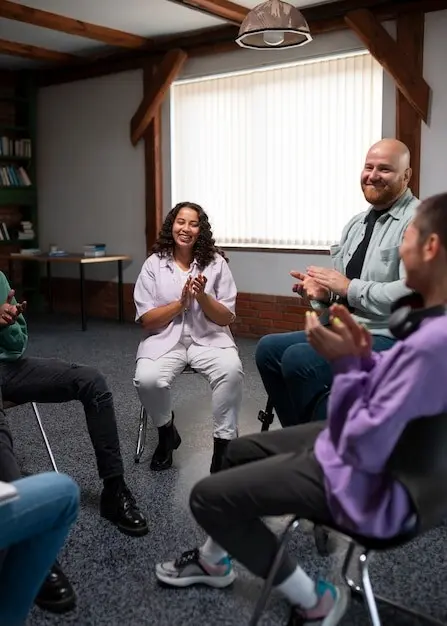
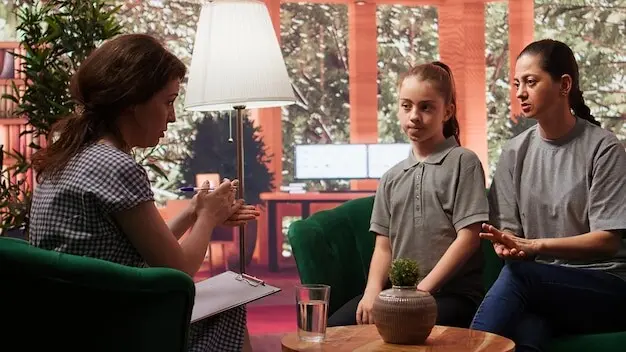
Sound shapes stress faster than most visuals. Design for acceptable noise floors, short reverberation, and respectful adjacencies. Combine absorption, isolation, and masking to tame chatter and machinery, enabling conversations to feel private, tasks to flow, and emotions to remain even during surprises.

Layouts That Guide Behavior, Not Anxiety

Plan flows that reduce collisions and uncertainty. Offer choice between refuge and collaboration, with sightlines that reassure and thresholds that signal purpose. Circulation should feel intuitive; storage should clear visual noise. When people need less vigilance, they produce deeper work and kinder interactions.

Materials and Atmosphere for Nervous Systems

Touch, temperature, scent, and color continually tell the brain whether to brace or release. Favor low‑VOC finishes, breathable fabrics, and tactility that feels honest. Balance warm and cool elements, letting micro‑climates exist so bodies self‑regulate gracefully without constant thermostat battles or fatigue.

Warm, cool, and the comfort sandwich

Layer contact points thoughtfully: a cool desk surface for alertness, a warm mug nearby for soothing, and a breathable chair where skin can rest. This “comfort sandwich” stabilizes arousal, helping minds toggle between focus and ease without exhausting willpower.

Color psychology with cultural humility

Color cues vary across cultures and memories. Test palettes with your community before committing. Earthy neutrals and gentle greens often calm, while saturated accents can energize purposefully. Avoid sterile monotony; offer gradients and texture so curiosity stays alive without jolting sensitive nervous systems.

Low‑tox finishes and breathable air

Specify formaldehyde‑free panels, mineral paints, and plant‑based oils. Ventilate generously and verify with sensors. Add greenery for humidity and delight, but remember filtration too. When air smells like almost nothing, bodies stay quieter, and conversations focus on ideas rather than headaches.

Rituals, Habits, and Measuring What Matters

Beautiful rooms cannot carry resilience alone; behavior completes the circuit. Anchor tiny rituals to cues in the environment, then track how people feel and perform. Use humane metrics, periodic check‑ins, and experiments to refine spaces compassionately as needs evolve across seasons.
Set a stretch mat by the brightest window, a gratitude card on the softest chair, a timer beside the quietest desk. When tools live where habits happen, friction drops, and stressed brains choose the easier, kinder action automatically.
Pair sensors with stories. Track noise, light, and air, but also collect short reflections about energy, focus, and belonging. Simple pulse surveys and comment walls invite nuance, surfacing small pains early so design tweaks prevent burnout instead of reacting to crises.
Host monthly review walks with residents or staff. Map friction points, celebrate wins, and choose one experiment to trial. Shared authorship builds trust, and trust lowers stress, making every square meter work harder with fewer rules and far more dignity. Share insights in the comments and subscribe to follow each iteration’s results.
Mexosanotavozorikiraviro
Privacy Overview

This website uses cookies so that we can provide you with the best user experience possible. Cookie information is stored in your browser and performs functions such as recognising you when you return to our website and helping our team to understand which sections of the website you find most interesting and useful.